

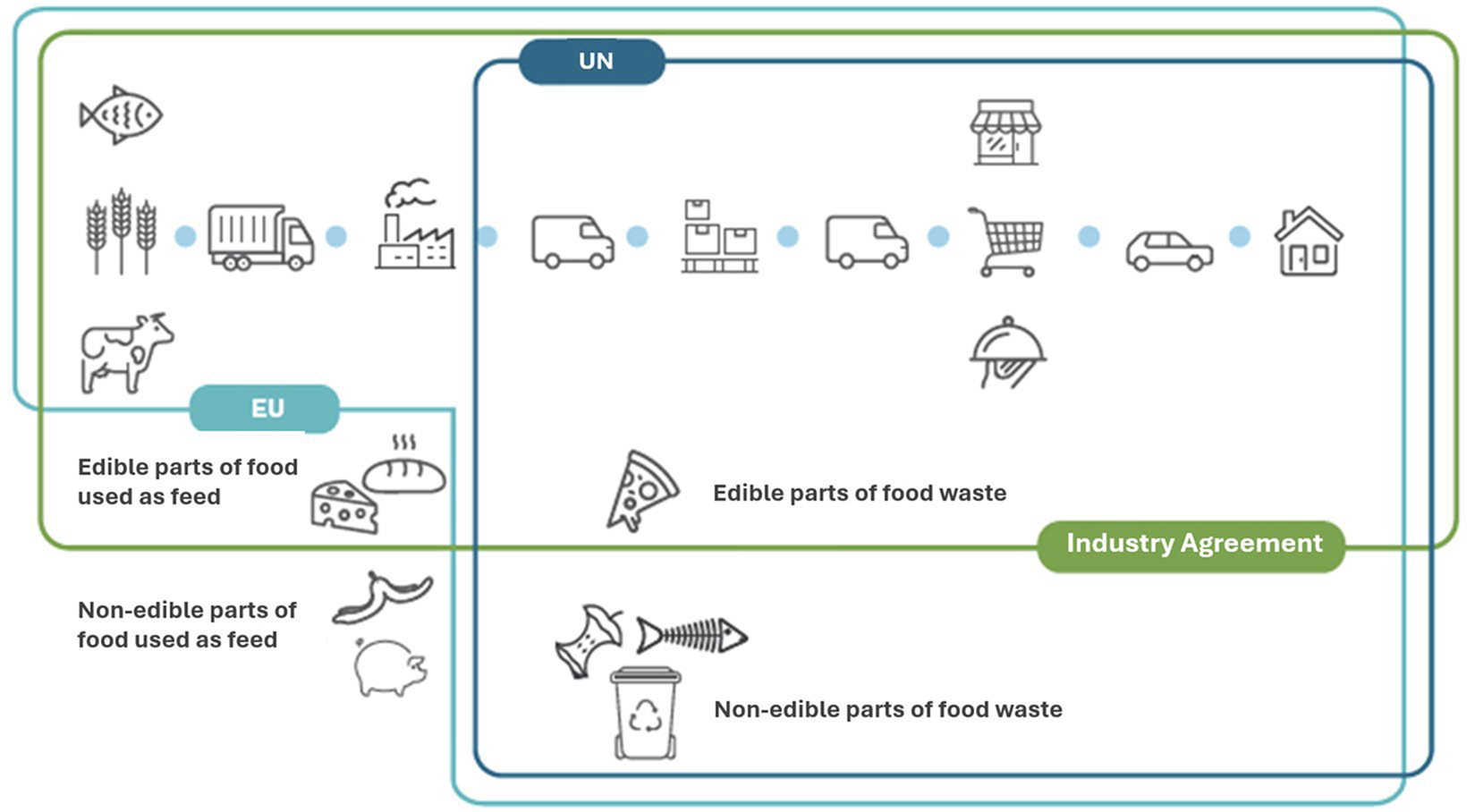
Food waste poses significant environmental, economic, and social challenges in today’s society, including extensive greenhouse gas emissions and food insecurity. Although food waste reduction efforts in Norway have gained momentum, critical gaps remain. This consultancy project, the final paper of the BI Norwegian Business school Executive EMBA programme, aims to address these gaps by focusing on the concrete example of Matsentralen, the leading food redistribution organisation in Norway.
This report examines technological systems, innovations, and structural changes needed to address the challenge of streamlining donation processes and ensuring Matsentralen receives quality surplus products in an efficient manner.
Qualitative research is employed to analyse the issue of food waste and donation, providing in-depth insights while capturing contextual nuances of the subject matter within the Norwegian food sector. Stakeholders' views and challenges related to food donation are recorded and included in the creation of effective strategies to reduce food waste through enhancing donations. Dynamics of the Norwegian food sector are explored, providing actionable insights that resonate with Matsentralen and the broader food industry, contributing to a more sustainable approach to food waste management.
Several solutions to the problem are considered, before four potential solutions are considered in further detail. These solutions are subsequently assessed in terms of feasibility and impact and then ranked.
Findings highlight the urgent need for the food sector in Norway to transition from a voluntary agreement to legally binding frameworks, holding stakeholders accountable for their roles in reducing food waste. By incorporating mandatory due diligence assessments, standardising reporting, strengthening management commitment and simplifying financial incentives, Norway can adopt a more comprehensive and effective approach to meeting its ambitious 2030 targets of reducing food waste by 50%.
Furthermore, enhancing communication about Matsentralen's capacities and implementing advanced technological solutions are important for optimising the overall donation process.
The most significant finding is related to the lack of financial incentives for food donation. Relevant laws are complex and ambiguous, and constitute a significant barrier for food donation. To encourage socially responsible and financially rational practises, relevant tax laws must be clarified and changed in order to further promote food donation. This solution has a broad impact, as it encourages food donations, aligns with proposed legislative changes and enhances cross-sector collaboration.